Your Clinic's Cleaning Routine Is Probably Putting Patients at Risk. Here's the Proof.
📌 Quick Summary: Healthcare-associated infections (HAIs) cost the Australian healthcare system billions annually — and inadequate cleaning is a leading contributing factor. This guide shows Melbourne clinic managers exactly what clinical hygiene standards require, where most facilities fall short, and what professional healthcare cleaning actually looks like.
Here is a number that should make every clinic manager in Melbourne pause: healthcare-associated infections (HAIs) affect approximately 165,000 patients in Australia each year. That’s one in ten hospital patients. And while HAIs have multiple causes, environmental contamination — meaning inadequate cleaning — consistently ranks as a primary contributing factor.
If you manage a GP clinic, specialist practice, dental surgery, allied health centre, or any kind of healthcare facility in Melbourne, this is not a distant problem. The cleaning standard in your facility is either protecting your patients — or exposing them.
This isn’t designed to alarm you. It’s designed to arm you with the facts, the standards, and the practical framework to get your cleaning right. Let’s get into it.
The Problem with ‘We Have a Cleaner’
When we ask clinic managers about their cleaning arrangements, the most common answer is: ‘We have a cleaner who comes in three nights a week.’
And the follow-up question — ‘Are they trained in healthcare cleaning protocols?’ — is almost always met with silence.
Here’s the reality: general commercial cleaning and healthcare cleaning are fundamentally different disciplines. A cleaner who does a great job in an office or retail space may be entirely unsuited to a clinical environment. The reasons are specific:
- Healthcare environments require TGA-registered disinfectants — not general purpose sprays
- Cleaning sequence matters clinically (clean-to-dirty, high-to-low) — incorrect technique spreads pathogens
- High-touch surfaces in clinical settings need far more frequent attention than in offices
- Clinical waste areas require specific handling protocols under Victorian EPA regulations
- Treatment and procedure rooms need between-patient cleans, not just end-of-day cleans
| ⚠️ Warning |
| Using a non-specialist cleaner in a healthcare environment isn’t just a quality issue — it can be a compliance issue. ACSQHC accreditation requirements include environmental cleaning standards that must be demonstrably met. |
What Australian Standards Actually Require
Healthcare cleaning in Australia is governed by several overlapping standards and guidelines. Here’s what Melbourne clinic managers need to know:
AS/NZS 4187 — Reprocessing of Reusable Medical Devices
While primarily focused on sterilisation, AS/NZS 4187 covers environmental cleaning as part of the broader infection control framework in healthcare settings. Any facility performing clinical procedures must be aware of its implications.
NHMRC Australian Guidelines for the Prevention and Control of Infection in Healthcare
This is the definitive infection control reference for Australian healthcare. It specifies cleaning frequency by zone, product requirements, and staff training standards. These guidelines are not optional for accredited facilities — they’re the baseline.
ACSQHC National Safety and Quality Health Service (NSQHS) Standards
Standard 3 (Preventing and Controlling Infections) of the NSQHS Standards specifically addresses environmental cleaning. Accredited facilities are audited against this standard. Inadequate cleaning documentation and practices are a common reason for audit findings.
| 💡 Pro Tip |
| Even if your facility is not formally accredited under NSQHS, these standards represent best practice. Adopting them protects your patients, your staff, and your professional reputation. |
The High-Touch Surface Problem
Research consistently shows that high-touch surfaces — door handles, light switches, tap handles, reception counters, chair armrests, payment terminals — are the primary vectors for pathogen transmission in healthcare environments.
Most standard cleaning schedules address these surfaces once daily, at most. In a busy GP clinic seeing 40–60 patients per day, that is manifestly insufficient. Studies on MRSA, C. difficile, and influenza transmission in clinical settings consistently demonstrate that high-touch surface decontamination frequency is one of the most effective levers available.
What does adequate coverage look like? High-touch surfaces in clinical areas should be decontaminated with a TGA-registered disinfectant at minimum every two to three hours during operating hours — not just once at end of day.
The Five Areas Most Melbourne Clinics Get Wrong
1. Waiting Room Seating
Fabric upholstery in waiting rooms is a hygiene time bomb. Patients cough, sneeze, and touch fabric surfaces — which are almost impossible to adequately disinfect. Clinics that haven’t transitioned to wipeable seating and aren’t cleaning it between high-risk periods are accepting unnecessary infection risk.
2. Door Handles and Shared Touchpoints
Documented in study after study as the highest-density pathogen concentration points in clinical environments. Most clinic cleaning schedules address these once daily. The clinical standard for high-risk environments is 2–3 hourly decontamination.
3. Bathroom Frequency
Patient bathrooms in a busy clinic should be cleaned and disinfected at minimum twice daily — not once. Many clinics rely on a single end-of-day clean for bathrooms. With 40+ patients using facilities throughout the day, this is not a defensible standard.
4. Product Dilution and Application
Even if the right products are being purchased, incorrect dilution ratios render disinfectants ineffective. Without training and supervision, it’s impossible to know whether your cleaning staff are applying products at the concentration required to achieve the claimed kill rates.
5. Cleaning Verification
How do you know whether the cleaning was actually done to standard? Most clinics rely entirely on trust. Professional healthcare cleaning providers use ATP bioluminescence testing, cleaning audits, and checklists signed off by supervisors. If your current provider doesn’t offer any form of verification, you have no way to know whether your facility meets the standard you need.
What Professional Healthcare Cleaning Actually Looks Like
This is where the difference between a general cleaner and a specialist healthcare cleaning service becomes tangible. Here’s what Anytime Cleaners delivers to Melbourne healthcare clients:
- Trained staff — specifically in healthcare cleaning protocols and infection control
- TGA-registered and hospital-grade disinfectants used throughout clinical areas
- Zone-based cleaning approach (clean to dirty, high surfaces to low)
- Colour-coded cleaning equipment to prevent cross-contamination between zones
- Documented cleaning schedules with supervisor sign-off
- Flexible scheduling — including between-session cleans during operating hours
- Compliant clinical and general waste handling
- Eco-friendly options where clinically appropriate
Our healthcare cleaning service covers GP clinics, specialist medical centres, dental practices, allied health facilities, pathology labs, and day surgeries across Melbourne.
Healthcare Cleaning Compliance: The Business Case
For practice managers, there’s a pragmatic argument alongside the ethical one. A single HAI outbreak traced to inadequate environmental cleaning can result in:
- Mandatory ACSQHC audit and potential loss of accreditation
- Significant legal and insurance exposure
- Reputational damage that takes years to rebuild
- Mandatory temporary closure for remediation
By contrast, a professional healthcare cleaning contract represents a fraction of these potential costs — and eliminates the risk almost entirely. This is not an expense. It’s risk management.
| 📞 Ready to Book? |
| Is your Melbourne clinic meeting clinical hygiene standards? Contact Anytime Cleaners for a no-obligation consultation. We’ll review your current cleaning arrangement and provide a transparent assessment. Call 03 8385 7705 or book online at anytimecleaners.com.au/contact |
Frequently Asked Questions
Healthcare cleaning requires specialist products (TGA-registered disinfectants), trained staff, defined cleaning sequences, and much higher frequency for high-touch and high-risk zones. Standard commercial cleaning does not meet clinical infection control requirements.
At minimum, clinical areas should be cleaned daily with a thorough end-of-day clean. High-touch surfaces should be decontaminated every 2–3 hours during patient-facing hours. Bathrooms should receive at least two full cleans per operating day.
Yes. Anytime Cleaners' healthcare cleaning service covers GP clinics, dental practices, physiotherapy and osteopathy clinics, psychology practices, pathology collection centres, and specialist medical centres.
You have the right to change providers at any time. Under NDIS rules, providers cannot charge an exit fee or penalise you for switching. The NDIS Quality and Safeguards Commission is the right contact if you have concerns about a provider's conduct.
We provide signed cleaning schedules, product data sheets (including TGA registration numbers), staff training records, and periodic audit reports on request. These documents can be presented to ACSQHC assessors as part of your accreditation evidence portfolio.
Read Time: 4 Minutes
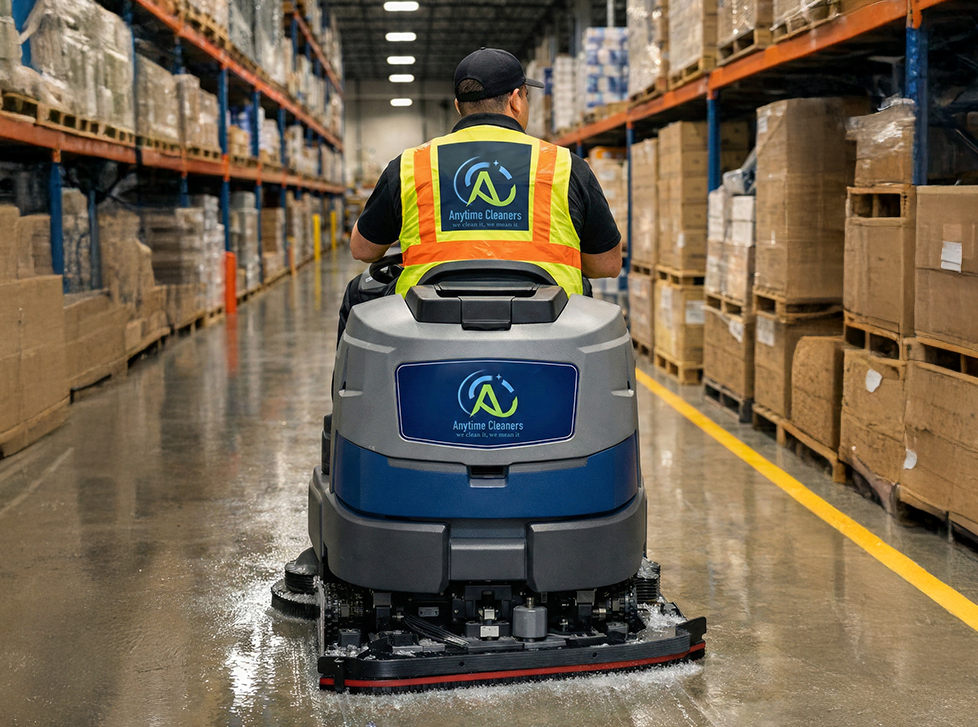
Discover how we transformed a packaging warehouse plagued by high staff turnover, inconsistent cleaning, and safety hazards. In just 30 days, our dedicated cleaning team brought stability, consistency, and peace of mind improving safety, boosting morale, and keeping production running smoothly.
Read Time: 7 Minutes
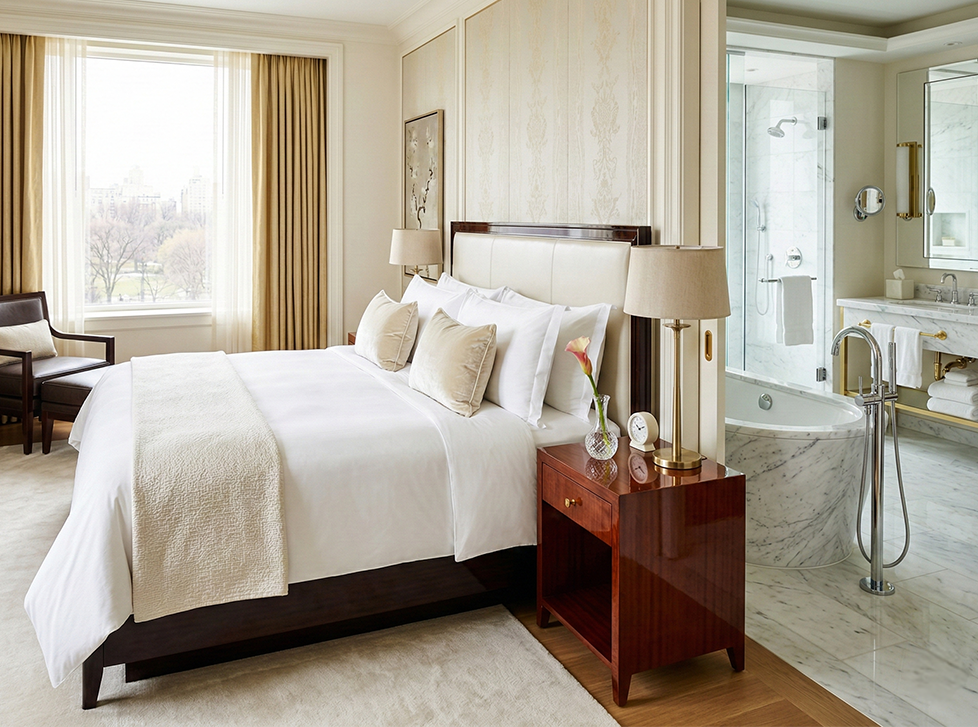
Hotel cleaning services in Australia must meet strict hygiene standards to ensure guest satisfaction and avoid penalties. A high-quality cleaning company should offer consistent results, a clear compliance checklist, and attention to high-touch surfaces. Anytime Cleaners delivers premium services with on-site supervisors, ensuring hotels maintain health standards, pass inspections, and get glowing guest reviews.