Restaurant Cleaning Mistakes That Could Get You Shut Down in Australia (And How to Avoid Them)
📌 Quick Summary: Most restaurants don’t fail inspections because of food — they fail because of cleaning. This guide reveals the biggest hygiene mistakes and how to stay compliant.
Imagine this scenario: Your restaurant is running at full capacity. Orders are flowing, your staff is in rhythm, and from the outside, everything looks like a well-oiled machine. Then an inspector walks in. Within minutes, they begin noticing the things most customers would never see — residue under equipment, grease build-up behind cooking lines, improper cleaning practices in food preparation areas.
What follows isn’t a warning. It’s a risk to your entire operation.
Across Australia, restaurants don’t just get penalised for poor food handling — they get flagged for cleaning failures. And the reality is, most of these failures are not due to negligence, but due to a misunderstanding of what “inspection-level clean” actually means.
Why Restaurant Cleaning Is a Compliance Issue — Not a Choice
Restaurant cleaning is often treated as a routine operational task. Something to be handled at the end of the day, delegated to staff, or managed casually between shifts. But in reality, it is one of the most tightly regulated aspects of running a food business.
According to Food Standards Australia New Zealand, food premises must be maintained at a level that prevents contamination, ensures hygiene, and protects public health at all times. This means cleaning is not just about visual cleanliness — it is about meeting a standard that is measurable, enforceable, and legally required.
When these standards are not met, the consequences are immediate and often severe. Fines, temporary closures, compliance notices, and long-term reputational damage are all very real outcomes. For many businesses, one failed inspection can undo years of brand-building.
| 💡 Pro Tip |
| Restaurant cleaning isn’t about appearance — it’s about compliance, safety, and keeping your business operational. |
The Mistakes That Quietly Put Restaurants at Risk
One of the most common issues we see is the assumption that cleaning can be confined to the end of the day. While this may feel practical from an operational standpoint, it fails to account for how quickly contamination builds up in a commercial kitchen. High-touch surfaces, preparation areas, and shared equipment accumulate bacteria throughout service, not after it. By the time closing arrives, the damage is already done.
Another recurring issue is grease accumulation. It develops gradually, often going unnoticed until it becomes visible or problematic. But long before that point, it has already begun affecting hygiene standards and increasing fire risk. Grease is not just a cleaning issue — it is a safety concern that requires structured, consistent attention.
Cross-contamination is perhaps the most underestimated risk. In many kitchens, the same cloth or mop is used across multiple zones without a defined system. This creates invisible contamination pathways between high-risk areas such as bathrooms, raw food stations, and preparation surfaces. Without a disciplined approach, cleaning itself becomes the source of the problem.
Floors and drainage areas are another weak point. These are areas inspectors routinely check because they reveal how thorough a cleaning process actually is. Residue, odour, or neglected corners indicate a lack of depth in cleaning practices. Even if visible surfaces appear spotless, these hidden areas can lead to failed inspections.
Finally, documentation is often overlooked. In a compliance-driven environment, cleaning must not only be done — it must be proven. Without logs, checklists, or verification processes, there is no way to demonstrate that standards are being consistently met.
Restaurant Cleaning Checklist
| Area | Risk Level | Required Cleaning Frequency |
| Food prep surfaces | High | Every 2–3 hours |
| Cooking equipment | High | Daily + weekly deep |
| Floors | Medium | Daily |
| Drains | High | Daily + weekly deep |
| Dining area | Low | Daily |
What Professional Restaurant Cleaning Actually Looks Like
Professional restaurant cleaning operates on a completely different level compared to routine in-house efforts. It is structured, systematic, and designed around compliance rather than convenience.
At Anytime Cleaners, the approach is built on clearly defined protocols. Cleaning is carried out using colour-coded systems to eliminate cross-contamination, and every process follows a logical sequence to ensure no area is missed or compromised. Equipment, products, and techniques are selected specifically for commercial kitchen environments, rather than general-purpose use.
More importantly, every clean is verified. Supervisor checks, documented routines, and consistent standards ensure that the level of cleanliness is not left to interpretation. This is what separates a clean-looking kitchen from a compliant one.
Why This Matters More Than Most Owners Realise
For restaurant owners, cleaning is often viewed as a cost centre — something necessary, but secondary to operations like staffing, inventory, or service. In reality, it plays a far more critical role.
Cleaning is directly tied to compliance, and compliance is directly tied to your ability to operate. It protects your business from regulatory risk, safeguards your reputation, and ensures that your customers are interacting with a safe environment.
In many cases, investing in professional cleaning is not about improving standards — it is about maintaining them consistently, without gaps or uncertainty.
| 📞 Ready to Book? |
| Don’t wait for an inspection to reveal gaps in your cleaning process. Contact Anytime Cleaners for a professional consultation today. Call 03 8385 7705 or book online at anytimecleaners.com.au/contact |
Frequently Asked Questions
High-risk areas should be cleaned multiple times throughout the day, with a full deep clean conducted daily.
Depending on the severity, it can lead to fines, mandatory corrective action, or temporary closure.
Yes. It ensures compliance with Australian hygiene regulations and reduces the risk of operational disruption.
Food safety regulations set by Food Standards Australia New Zealand define hygiene and cleaning requirements for all food businesses.
Read Time: 4 Minutes
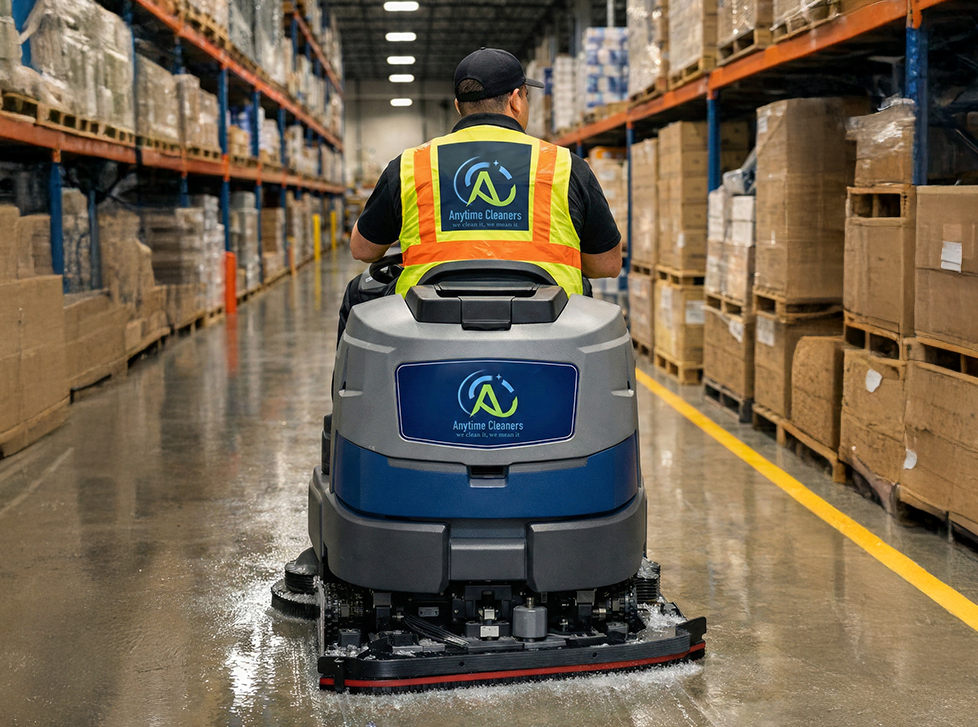
Discover how we transformed a packaging warehouse plagued by high staff turnover, inconsistent cleaning, and safety hazards. In just 30 days, our dedicated cleaning team brought stability, consistency, and peace of mind improving safety, boosting morale, and keeping production running smoothly.

Read Time: 7 Minutes
Hotel cleaning services in Australia must meet strict hygiene standards to ensure guest satisfaction and avoid penalties. A high-quality cleaning company should offer consistent results, a clear compliance checklist, and attention to high-touch surfaces. Anytime Cleaners delivers premium services with on-site supervisors, ensuring hotels maintain health standards, pass inspections, and get glowing guest reviews.