Commercial Cleaning Services: The Hidden Hygiene Mistake Most Businesses Miss
Author:
Abdul H
Updated Date:
March 13, 2026
Category:
Commercial Cleaning
The 5 Cleaning Mistakes Businesses Don’t Notice (But Professional Commercial Cleaning Services Do)
Professional commercial cleaning services follow strict hygiene protocols. Unfortunately, many cleaning providers do not. Here are five of the most common mistakes seen across workplaces, hospitality venues, and commercial facilities.
Colour Coding System
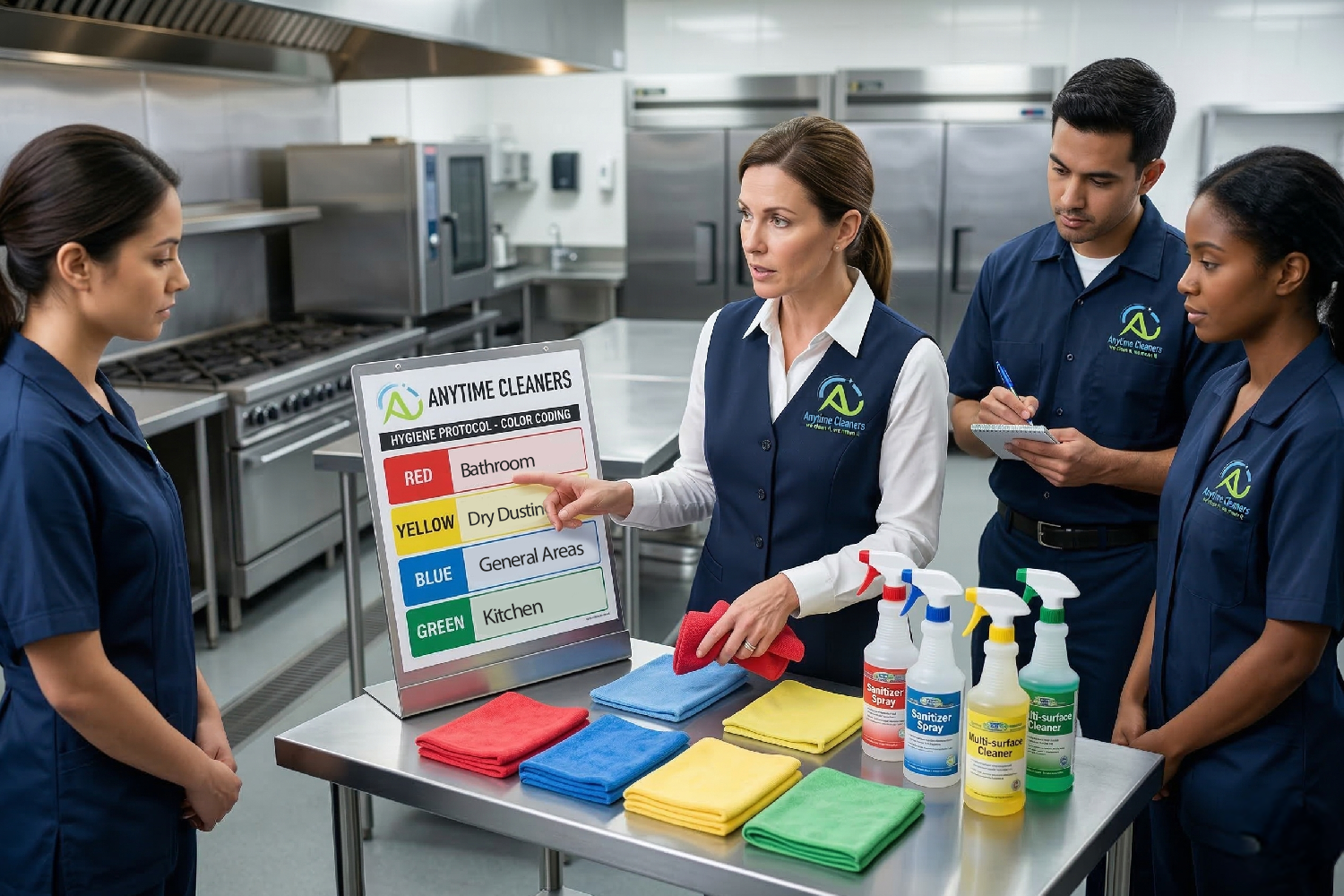
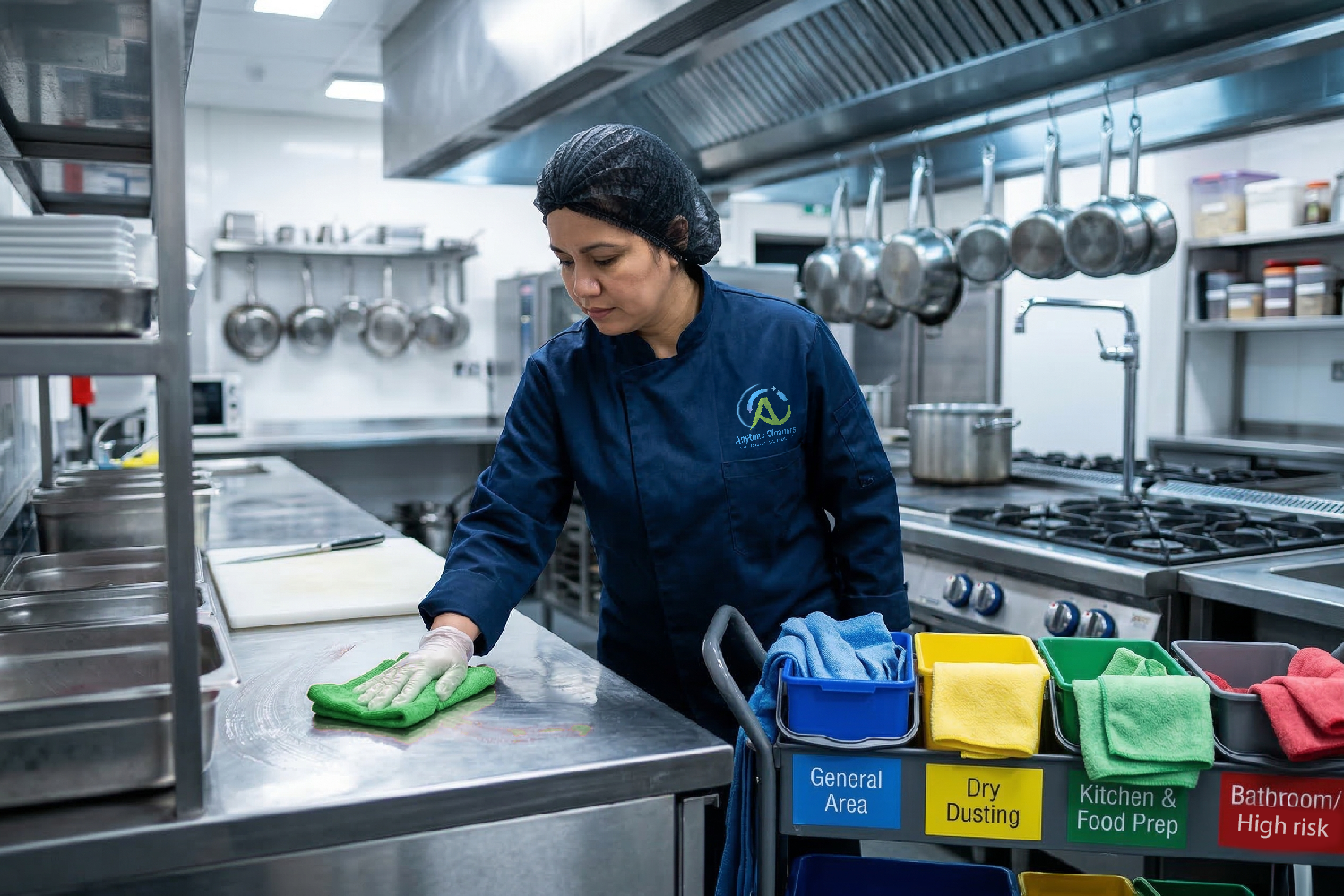
A colour-coded cleaning system helps prevent cross contamination by assigning specific colours for different areas.
Typical colour coding looks like this:
Colour | Cleaning Area |
Red | Bathrooms and toilets |
Green | Kitchens |
Blue | General surfaces |
Yellow | Clinical areas |
Without this system, cleaning tools may unknowingly spread bacteria from contaminated areas to clean ones.
Mistake #1: Judging Cleaning by Appearance Only
Just because a surface looks clean does not mean it is hygienic.
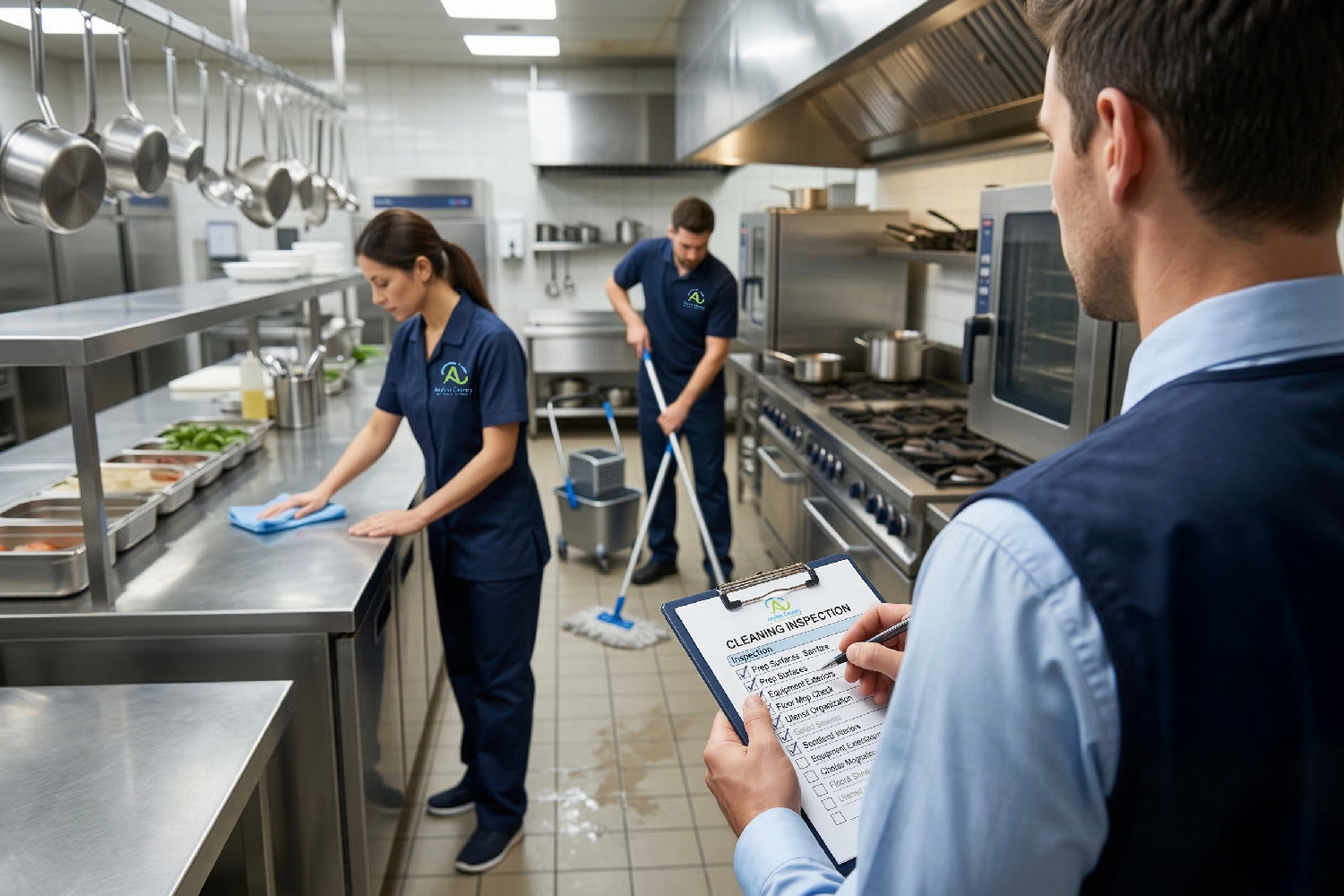
Mistake #2: Lack of Cleaning Supervision
Without supervision, staff may skip proper sanitation steps.
Mistake #3: Cross Contamination During Cleaning
Using the same equipment across multiple areas spreads bacteria.
Mistake #4: No Colour-Coded Cleaning System
Without colour coding, tools get mixed between areas.
Mistake #5: No Hygiene Training for Staff
Untrained staff may unknowingly spread germs.
What Is Cross Contamination in Cleaning?
Cross contamination in cleaning happens when bacteria from one area are transferred to another during the cleaning process.
For example:
- a cloth used in the bathroom wiping a kitchen counter
• mop water spreading bacteria across multiple rooms
• cleaning tools carrying germs between surfaces
These situations often occur when cleaning systems are poorly designed. Professional commercial cleaning services prevent this through strict hygiene protocols.
Why Colour-Coding Is Essential in Commercial Cleaning
Colour-coded cleaning systems are one of the simplest yet most powerful hygiene controls.
They ensure that:
- bathroom bacteria stay in bathrooms
• kitchen cleaning tools remain in kitchens
• general cleaning tools stay in common areas
This separation dramatically reduces contamination risks. Without colour coding, bacteria can easily spread through a building during cleaning.
Ash Chopra’s Industry Observation
Through quality reviews and operational observations, Ash Chopra identified that cross contamination during cleaning is far more common than most businesses realise. Cleaning often appears thorough. But when the process is examined closely, cleaners may unknowingly mix tools between areas. Without strict hygiene systems, even routine cleaning can compromise workplace safety.
This insight is one of the reasons Anytime Cleaners emphasises structured cleaning systems instead of basic labour cleaning models.
How Anytime Cleaners Prevents Cross-Contamination
Professional commercial cleaning services must follow systems designed for hygiene control. At Anytime Cleaners, several measures are used to prevent contamination.
Strict Colour-Coded Cleaning Tools
Each area has dedicated equipment.
Dedicated Cleaning Kits
Separate kits are used for kitchens, washrooms, and workspaces.
Professional Training
Staff are trained in hygiene protocols and contamination control.
Supervisor Oversight
Regular inspections ensure standards are maintained.
Compliance with Hygiene Standards
Cleaning procedures align with best practices recommended by:
- Safe Work Australia
• workplace hygiene standards
• food safety regulations for hospitality environments
Why This Matters for Your Business
Workplace hygiene affects more than cleanliness.
It affects:
– employee health
– customer experience
– regulatory compliance
– brand reputation
According to hospitality research:
- 59% of customers say cleanliness is the most important factor in their experience
- 81% of customers read reviews before visiting a business
One hygiene complaint can damage trust significantly. Businesses must therefore ensure their cleaning provider follows professional standards.
What Businesses Should Ask Their Cleaning Company
Before hiring commercial cleaners, ask:
- Do you use colour-coded cleaning systems?
- How do you prevent cross contamination?
- Are cleaning teams trained in hygiene protocols?
- Is there supervisor oversight during cleaning?
- Do you follow workplace hygiene standards?
These questions quickly reveal whether the cleaning provider operates professionally.
Cross contamination occurs when bacteria transfer from one surface or area to another through cleaning tools or improper hygiene practices.
Colour-coded cleaning systems prevent tools from being used in multiple areas, reducing the risk of spreading bacteria.
They use colour-coded tools, staff training, hygiene protocols, and supervisor oversight.
It can spread bacteria, cause illness, and compromise workplace hygiene standards.
Businesses should expect structured cleaning systems, trained staff, and consistent hygiene standards.
Final Thoughts
Cleaning is not just about appearance. It is about systems that protect hygiene.
Without colour coding and structured cleaning protocols, bacteria can spread silently during the cleaning process itself. Professional commercial cleaning services prevent this risk through structured systems and trained teams.
That is the difference Anytime Cleaners brings to every facility.
👉 Request a free quote at
anytimecleaners.com.au
Related Post
Read Time: 4 Minutes
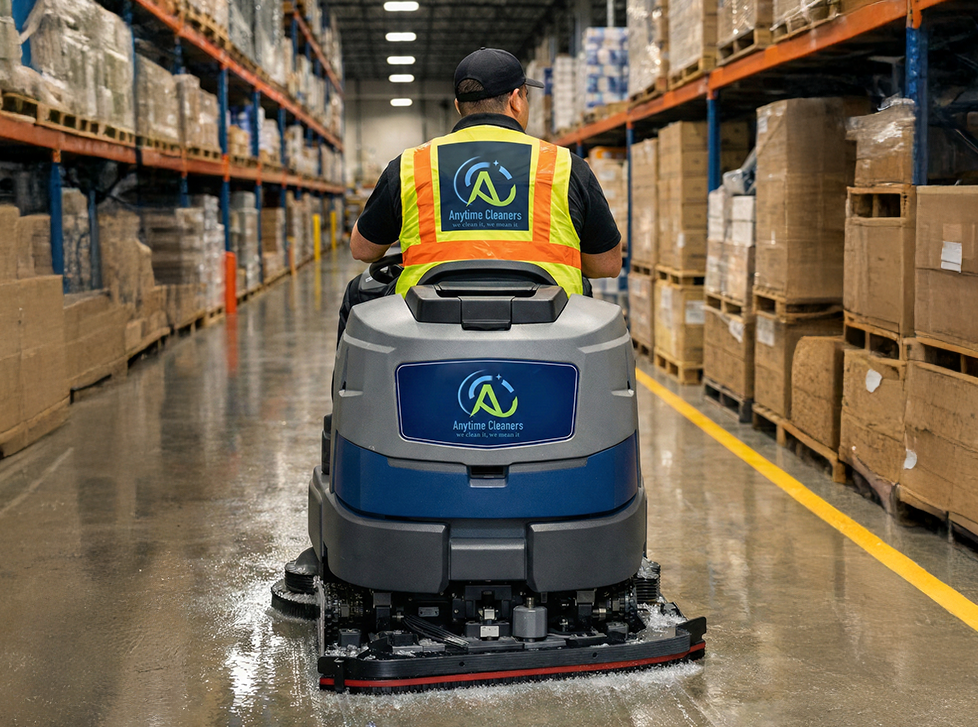
Discover how we transformed a packaging warehouse plagued by high staff turnover, inconsistent cleaning, and safety hazards. In just 30 days, our dedicated cleaning team brought stability, consistency, and peace of mind improving safety, boosting morale, and keeping production running smoothly.

Read Time: 7 Minutes
Hotel cleaning services in Australia must meet strict hygiene standards to ensure guest satisfaction and avoid penalties. A high-quality cleaning company should offer consistent results, a clear compliance checklist, and attention to high-touch surfaces. Anytime Cleaners delivers premium services with on-site supervisors, ensuring hotels maintain health standards, pass inspections, and get glowing guest reviews.